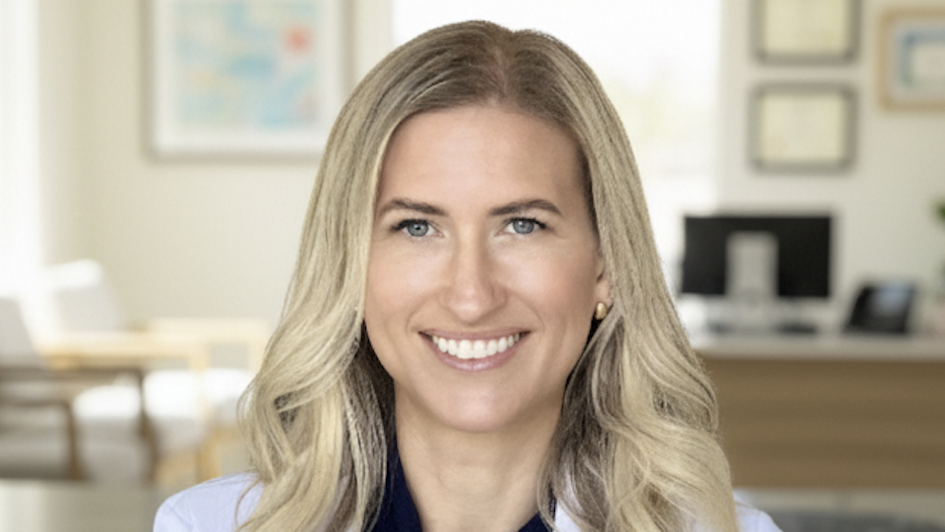
Alumni Spotlight on Margaret Boomgaarden, ND
Published


What was your pathway to Bastyr and naturopathic medicine?
I knew from a young age that I wanted to go into medicine. I initially followed the conventional path, completed the typical prerequisites, and earned my bachelor’s degree in medical sciences, but when it came time to apply to medical school, I felt unsure. I knew I wanted to practice medicine in a way that was more personalized, preventive, and focused on the whole patient, but I didn’t yet know there was a profession that aligned with that.
After spending time working in education abroad and in the U.S., a friend connected me with a naturopathic doctor. Once I started speaking with NDs, everything clicked. Naturopathic medicine brought together the things that mattered most to me: strong medical training, prevention, lifestyle and nutrition, evidence-based natural therapies, and individualized patient care. My teaching background still shapes how I practice today, especially in the area of patient education.
What did you learn when you first started talking to naturopathic doctors?
I learned how broad the field really is. The NDs I spoke with were practicing in very different settings and roles, which helped me see how much range there is within naturopathic medicine. More than anything, those conversations gave language to something I had been looking for but hadn’t yet found. Once I saw that clearly, the decision to go back to school came quickly.
What is your current job and how did you get here?
I’m currently a second-year naturopathic resident at the Susan Samueli Integrative Health Institute at UC Irvine. It’s a unique environment because it is one of the few integrative medicine centers embedded within a conventional academic medical system that includes naturopathic doctors as part of the care team.
I was drawn to the site because it allows me to work in a collaborative academic setting while also helping bring evidence-informed naturopathic and lifestyle-based approaches into that environment. To get here, I completed a 4-year naturopathic medical degree, passed licensing exams, and then went through a competitive residency application process.
What training helped you become a strong residency candidate?
While I was a student, I tried to be very intentional about professional development. I attended core naturopathic conferences such as AANP and CNDA, but I also sought out meetings aligned with my interests in cardiometabolic health, integrative cardiology, longevity medicine, and performance optimization. I pursued additional training in areas like functional medicine, hormone management, and gastrointestinal health. Those experiences helped strengthen my clinical foundation and clarify my long-term interests.
What kind of additional training have you been doing as a provider?
As a provider, much of my added training has focused on cardiometabolic health, especially preventive cardiology and lipidology. I’ve also been building expertise in women’s health and menopause care through The Menopause Society. I’ve valued attending conventional medical conferences as well, where I am sometimes the only naturopathic doctor in the room. Those experiences allow me to build relationships across disciplines and help broaden understanding of our profession.
Congratulations on your clinical lipidology certification.
Thank you so much. I’m honored to have earned the DABCL designation through the National Lipid Association’s clinical lipidology physician training pathway. Clinical lipidology became a major focus for me because cardiovascular disease prevention is one of the areas where we have the greatest opportunity to make an impact.
I’m especially passionate about this because women are still too often underinformed and undertreated when it comes to cardiovascular risk. My interest in this work grew naturally from both my clinical training and my personal background in exercise, nutrition, and prevention. Pursuing this certification required substantial additional training, and I was able to do that in large part because of my residency at UCI, where I’ve had the opportunity to train in an academic, integrative cardiology setting alongside outstanding mentors – both with ND attendings as well as our integrative cardiologists.
What’s a typical workday and work week like at SSIHI?
A typical day is full and dynamic. On a full clinic day, we usually see eight patients, but the work also includes extensive chart review, lab and imaging review, documentation, and patient communication. The residency is largely structured like an outpatient internal medicine model within an integrative setting, so we see a wide range of conditions and patient concerns.
Each week also includes non-clinical time for preparation, charting, follow-up work, and didactic training. Beyond patient care, there are opportunities in research, teaching, and program development. I’ve had the chance to work on research related to my cardiometabolic interests and to speak at a UCI conference on sports performance and longevity.
How would you describe your residency experience overall?
It’s a very comprehensive training experience. One of the things I value most is the volume and variety of patients we see, because it helps build experience and clinical judgment quickly. At the same time, there is a strong support system through experienced faculty. It’s rigorous, but also rich in mentorship and hands-on learning.
What are your reflections on your education at Bastyr?
Bastyr was a deeply meaningful part of my training. What I valued most was the clinical training, faculty mentorship, and the relationships I built there. One of the biggest lessons I took from that experience was the importance of staying connected to your “why.”
My path was not entirely straightforward. Before my second year, I went through an advanced-stage cancer diagnosis and treatment, which required me to step away from school for a period of time. That experience brought a great deal of perspective and shaped me in important ways as a person and as a physician. It strengthened my commitment to this path and deepened my sense of purpose.
Any last thoughts?
I’m very grateful for the opportunity to reflect on my journey. I would not be where I am without the support of so many mentors, teachers, colleagues, and physicians who have invested in me along the way. I carry a great deal of gratitude for the people and institutions that have shaped me, and I hope to continue honoring that through my work, my patients, and my commitment to advancing the profession.